 Aetherial Submission Grappling
Unlocking Potential: The Top Benefits of Jiu-Jitsu Training for Kids
get your free trial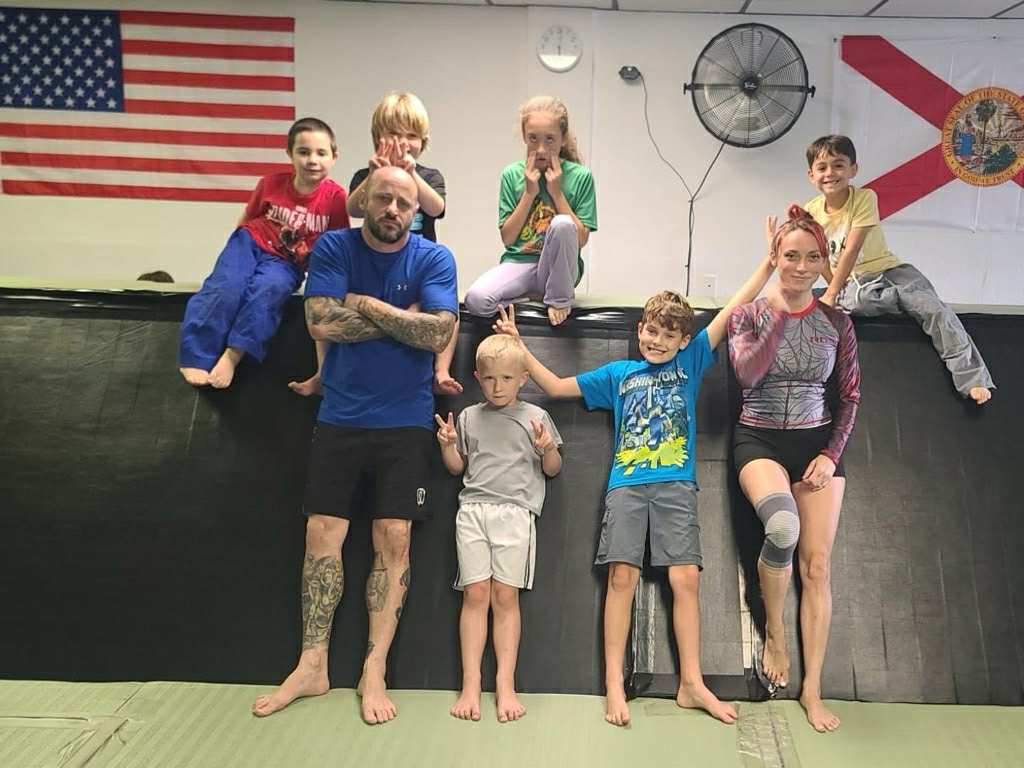
As parents, we’re always looking for activities that help our children grow—not just physically, but emotionally, socially, and mentally as well. In recent years, jiu-jitsu for kids has become one of the fastest-growing youth activities in the world, and for good reason. More than just a martial art, Brazilian Jiu-Jitsu (BJJ) offers a unique blend of physical exercise, problem-solving, discipline, and character development that few other sports can match.
Unlike many traditional youth sports that emphasize winning, speed, or size, kids jiu-jitsu classes focus on leverage, technique, cooperation, and personal progress. This makes jiu-jitsu especially effective—and accessible—for children between the ages of 5 and 12, a critical window for building foundational life skills.
In this in-depth guide, we’ll explore the benefits of jiu-jitsu training for children, backed by research, expert organizations, and real-world examples. Whether your child is shy, energetic, athletic, or still finding their confidence, jiu-jitsu can help unlock their potential in powerful and lasting ways.
Kids jiu-jitsu classes in New Port Richey
Physical Health and Fitness: Building Strong, Capable Bodies
Full-Body Strength and Coordination
One of the most obvious benefits of martial arts for kids is improved physical health. Jiu-jitsu is a full-body activity that naturally develops strength, balance, coordination, flexibility, and endurance—without repetitive strain or excessive impact.
Children use their arms, legs, core, and grip strength constantly during training. According to research published through the National Center for Biotechnology Information (NCBI), grappling-based martial arts improve muscular strength and neuromuscular coordination in children while reducing injury risk compared to high-impact sports like football or soccer
👉 https://www.ncbi.nlm.nih.gov/
Because jiu-jitsu relies on body awareness and controlled movement, kids gradually learn how their bodies work in space—an ability known as proprioception, which is crucial for long-term athletic development.
Healthy Weight and Cardiovascular Benefits
With childhood obesity rates remaining a concern, regular physical activity is more important than ever. The American Academy of Pediatrics (AAP) strongly recommends structured physical activities that combine aerobic exercise with skill development for children
👉 https://www.aap.org/
Kids jiu-jitsu classes naturally include:
Cardiovascular movement (warm-ups, drills, games)
Strength-based resistance using body weight
Active play that keeps kids engaged
Unlike monotonous workouts, jiu-jitsu keeps children mentally stimulated, which increases consistency and long-term participation.
Mental Resilience: Teaching Kids How to Handle Challenges
Problem-Solving and Critical Thinking
Jiu-jitsu is often described as “human chess,” and that’s especially true for kids. Every position presents a puzzle: How do I escape? How do I improve my position? What happens if I move this way instead?
Studies on youth martial arts participation show improved executive functioning and decision-making skills, particularly in disciplines that emphasize technique and strategy
👉 https://pubmed.ncbi.nlm.nih.gov/
By learning to think under pressure, children develop:
Patience
Focus
Strategic thinking
Adaptability
These cognitive skills translate directly to school performance and everyday problem-solving.
Learning to Fail—and Try Again
In jiu-jitsu, tapping out is not a failure—it’s a learning tool. Children quickly learn that mistakes are part of growth, and that perseverance matters more than immediate success.
Psychologists studying youth development highlight the importance of “productive struggle” in building resilience and grit
👉 https://www.apa.org/
On the mat, kids experience safe, controlled challenges that teach them:
How to stay calm when things feel hard
How to recover from setbacks
How effort leads to improvement
These lessons often carry over into academics, friendships, and self-esteem.
Kids jiu-jitsu classes in New Port Richey
Emotional Growth and Confidence: Building a Strong Sense of Self
Confidence Without Aggression
Unlike striking-based martial arts, jiu-jitsu emphasizes control, restraint, and technique. Children gain confidence not from hurting others, but from mastering themselves.
According to research on martial arts and child psychology, non-violent martial arts training is associated with increased self-confidence and reduced aggression in children
👉 https://www.ncbi.nlm.nih.gov/pmc/
As kids progress through techniques and belt levels, they develop:
A sense of accomplishment
Pride in earned skill (not trophies)
Confidence rooted in competence
Helping Shy or Anxious Children Thrive
Many parents are surprised to see shy or anxious children flourish in kids jiu-jitsu classes. Because training is structured, predictable, and cooperative, it provides a safe environment for self-expression.
The Child Mind Institute notes that confidence-building activities with clear rules and physical engagement can significantly reduce anxiety in children
👉 https://childmind.org/
Jiu-jitsu gives kids a place where:
Effort matters more than personality
Progress is personal
Everyone starts as a beginner
Social Skills and Respect: Learning to Work With Others
Teamwork and Communication
Even though jiu-jitsu is an individual martial art, it is learned through partnership. Kids train with classmates of different sizes, ages, and personalities, learning to cooperate and communicate respectfully.
Research on youth sports participation shows that cooperative physical activities improve empathy, communication, and peer relationships
👉 https://www.ncBI.nlm.nih.gov/pmc/
In jiu-jitsu, kids learn:
How to be a good training partner
How to give and receive feedback
How to respect boundaries and personal space
These are invaluable social skills, especially for children navigating early friendships.
Respect for Rules and Authority
Respect is built into the culture of jiu-jitsu. Bowing, listening to instructors, waiting turns, and following rules are all part of every class.
Organizations like the International Brazilian Jiu-Jitsu Federation (IBJJF) emphasize discipline, sportsmanship, and ethical behavior as core values of the art
👉 https://ibjjf.com/
This consistent structure helps reinforce positive behavior both on and off the mat.
Discipline and Focus: Skills That Last a Lifetime
Routine, Responsibility, and Goal-Setting
Children thrive on routine, and jiu-jitsu provides a healthy, structured outlet. Regular attendance teaches responsibility, while belt progression encourages goal-setting and delayed gratification.
Educational experts agree that extracurricular activities requiring sustained effort help children develop self-discipline and focus
👉 https://www.edutopia.org/
In jiu-jitsu, progress is not instant—and that’s the point. Kids learn that:
Effort compounds over time
Consistency matters
Mastery requires patience
Improved Attention and Classroom Behavior
Several studies on martial arts for kids have linked training to improved attention span and classroom behavior, especially in children who struggle with focus
👉 https://pubmed.ncbi.nlm.nih.gov/
The combination of physical activity, mental engagement, and clear expectations helps children regulate energy and attention more effectively.
Self-Defense and Personal Safety: Empowering Without Fear
Practical, Age-Appropriate Self-Defense
One of the most talked-about benefits of jiu-jitsu training for children is self-defense. Jiu-jitsu teaches kids how to control and escape from situations using leverage rather than strength.
According to child safety experts, self-defense training that emphasizes avoidance, awareness, and control is most appropriate for young children
👉 https://www.safekids.org/
Jiu-jitsu aligns perfectly with these principles by teaching:
How to break grips
How to escape from underneath someone
How to stay calm in physical situations
Confidence That Reduces Bullying
Studies show that children with higher self-confidence and assertiveness are less likely to be targeted by bullies
👉 https://www.stopbullying.gov/
Jiu-jitsu doesn’t teach kids to fight—it teaches them to carry themselves with quiet confidence, which often discourages negative attention altogether.
Kids jiu-jitsu classes in New Port Richey
Long-Term Life Skills: Beyond the Mats
Habits That Support Healthy Adulthood
Children who participate in structured physical activities are more likely to remain active as adults, according to the World Health Organization (WHO)
👉 https://www.who.int/
Jiu-jitsu builds habits that support:
Lifelong fitness
Stress management
Healthy coping mechanisms
Values That Shape Character
Perhaps the greatest gift jiu-jitsu offers is character development. Respect, humility, perseverance, and accountability are not lectures—they’re lived experiences on the mat.
Many parents report that after starting jiu-jitsu, their children:
Handle frustration better
Show more respect at home and school
Develop a stronger sense of responsibility
A Real-Life Example: Growth You Can See
Consider a typical 8-year-old who starts jiu-jitsu shy, hesitant, and unsure of themselves. In the first few weeks, they struggle with new movements and close contact. But with patient instruction and supportive teammates, something changes.
Within months, they:
Speak up more confidently
Move with purpose
Celebrate effort over outcome
These transformations aren’t rare—they’re routine in well-structured kids jiu-jitsu classes.
Conclusion: An Investment in Your Child’s Future
Jiu-jitsu is more than a sport. It’s a comprehensive system for developing strong bodies, resilient minds, and confident, respectful children.
From physical fitness and mental toughness to social skills and lifelong discipline, the benefits of jiu-jitsu training for children extend far beyond the mat. For kids aged 5–12, it offers a rare combination of challenge and support during a critical stage of development.
Take the First Step
If you’re looking for an activity that helps your child grow in confidence, health, and character, consider enrolling them in a kids jiu-jitsu class near you. Most academies offer trial classes so your child can experience the benefits firsthand in a safe, welcoming environment.
The journey doesn’t start with a belt—it starts with a single step onto the mat.