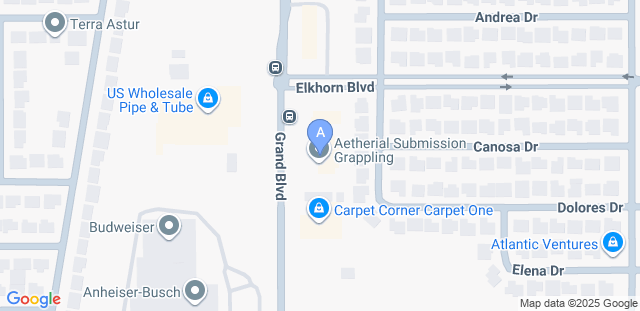
 Aetherial Submission Grappling
The Positive Mental Health Benefits of Jiu-Jitsu Training: More Than Just a Workout
In today’s fast-paced, always-connected world, stress, anxiety, and burnout have become the norm rather than the exception. Many people are searching for something more than a traditional gym workout — they’re looking for relief, connection, purpose, and a sense of belonging.
That’s where Brazilian Jiu-Jitsu (BJJ) comes in.
Often described as “physical chess,” jiu-jitsu is widely known for its effectiveness as a martial art. But what often goes unnoticed are the profound mental and emotional benefits that come with consistent training. For many practitioners, jiu-jitsu becomes more than a hobby — it becomes a lifeline, a community, and a powerful tool for mental health.
In this article, we’ll explore how jiu-jitsu supports mental well-being through stress relief, PTSD management, emotional regulation, and the creation of a vital third space — all while building meaningful human connection.
Jiu-Jitsu and Stress Relief: Training the Mind Through the Body
Stress isn’t just mental — it lives in the body. Long workdays, financial pressure, family responsibilities, and constant digital stimulation all contribute to chronic stress that can be difficult to release.
Jiu-jitsu offers a healthy, physical outlet for that stress.
Why Jiu-Jitsu Is So Effective for Stress Management
Unlike repetitive gym routines, jiu-jitsu demands complete mental presence. When you’re sparring, drilling, or problem-solving on the mat, there’s no room for intrusive thoughts about work emails or deadlines.
You’re fully engaged in the moment.
This kind of focused attention closely mirrors mindfulness practices, which are widely recognized for reducing stress and anxiety. According to the American Psychological Association, physical activity that requires concentration can significantly lower stress hormones like cortisol
👉 https://www.apa.org/topics/stress/body
Additional stress-reducing benefits of jiu-jitsu include:
Endorphin release through physical exertion
Improved sleep quality
Healthy emotional release
Increased confidence and self-efficacy
Over time, students often notice they’re calmer outside the gym, better equipped to handle challenges, and less reactive in stressful situations.
PTSD Management and Trauma Recovery Through Jiu-Jitsu
One of the most powerful — and deeply meaningful — benefits of jiu-jitsu is its growing role in PTSD and trauma management, particularly among veterans, first responders, and survivors of personal trauma.
Why Jiu-Jitsu Helps With PTSD
PTSD often disrupts a person’s sense of safety, body awareness, and control. Jiu-jitsu works directly with all three — but in a controlled, consensual environment.
Key elements that make jiu-jitsu beneficial for PTSD recovery include:
Gradual exposure to physical stress in a safe setting
Rebuilding trust through training partners
Learning to remain calm under pressure
Regaining control while in vulnerable positions
Research has shown that structured physical activity can significantly reduce PTSD symptoms by regulating the nervous system and improving emotional resilience
👉 https://www.ncbi.nlm.nih.gov/pmc/articles/PMC5452224/
Many practitioners describe jiu-jitsu as a place where they learn how to breathe through discomfort, reset after failure, and reclaim confidence in their bodies.
Importantly, a strong academy culture — one rooted in respect, communication, and community — makes all the difference.
Emotional Regulation: Learning to Stay Calm Under Pressure
Life doesn’t always give us time to prepare. Stressful situations, conflict, and unexpected challenges are unavoidable.
Jiu-jitsu trains emotional regulation in a way few other activities can.
When you’re stuck in a bad position, panic doesn’t help. The only way forward is to slow down, breathe, think, and act deliberately. Over time, this skill transfers off the mat.
Students often report:
Reduced anxiety responses
Better conflict management
Increased patience
Improved emotional awareness
This aligns with research showing that activities requiring problem-solving under pressure can strengthen emotional resilience
👉 https://www.health.harvard.edu/staying-healthy/exercise-and-mental-health
Jiu-jitsu doesn’t teach you how to avoid stress — it teaches you how to navigate it effectively.
Jiu-Jitsu as a “Third Space”: Where Community Is Built
Sociologists use the term “third space” to describe environments that exist outside of home (first space) and work (second space). These spaces are critical for mental health, social connection, and identity.
Examples include:
Community centers
Churches
Hobby groups
Sports teams
For many adults, these spaces disappear over time — and isolation increases.
Jiu-jitsu academies often become one of the most meaningful third spaces in a person’s life.
Why the Jiu-Jitsu Community Is Different
Unlike many fitness environments, jiu-jitsu is inherently interactive. You train with people, not around them. You rely on training partners for safety, progress, and growth.
This creates:
Strong social bonds
Accountability
Mutual respect
A sense of belonging
According to research published by the U.S. Surgeon General, social connection is a key factor in reducing anxiety, depression, and loneliness
👉 https://www.hhs.gov/surgeongeneral/priorities/connection/index.html
For many students, the academy becomes a second family — a place where they’re known, supported, and encouraged.
Confidence, Identity, and Personal Growth
Jiu-jitsu is uniquely humbling — and that’s part of its power.
Progress isn’t instant. Belts aren’t given; they’re earned. Growth comes through consistent effort, failure, and reflection. This process builds authentic confidence, not ego.
Mental benefits include:
Improved self-esteem
Clear goal-setting
Resilience through setbacks
A growth-oriented mindset
Each small improvement reinforces the belief: “I can handle hard things.”
That mindset carries into work, relationships, and everyday life.
Why Community-Focused Academies Matter
Not all gyms are created equal.
A truly positive jiu-jitsu experience comes from an academy that prioritizes:
Safety
Inclusivity
Respect
Mental well-being
Community over competition
When students feel supported, they stay longer, train more consistently, and experience deeper mental health benefits.
This is especially important for beginners, women, and those navigating stress or trauma.
Is Jiu-Jitsu Right for You?
You don’t need to be:
Athletic
Young
Aggressive
Experienced
You just need to be curious.
Jiu-jitsu meets you where you are and grows with you over time.
Whether you’re looking for stress relief, mental clarity, confidence, or a sense of belonging, jiu-jitsu offers something rare in modern life: connection through shared effort.
Join Our Community — Your Free Trial Awaits
If you’ve been searching for a healthier outlet for stress, a stronger sense of community, or a way to invest in both your physical and mental well-being, we invite you to experience jiu-jitsu for yourself.
💥 Your first step is simple: try a free class.
No pressure. No contracts. Just real training with real people who want to see you succeed.
👉 Join our community today with a free trial and discover how jiu-jitsu can change more than just your fitness — it can change how you feel, think, and live.